Corporate Performance Dashboard on 946079000, 6948807278, 662900730, 18888324540, 630303019, 911177239

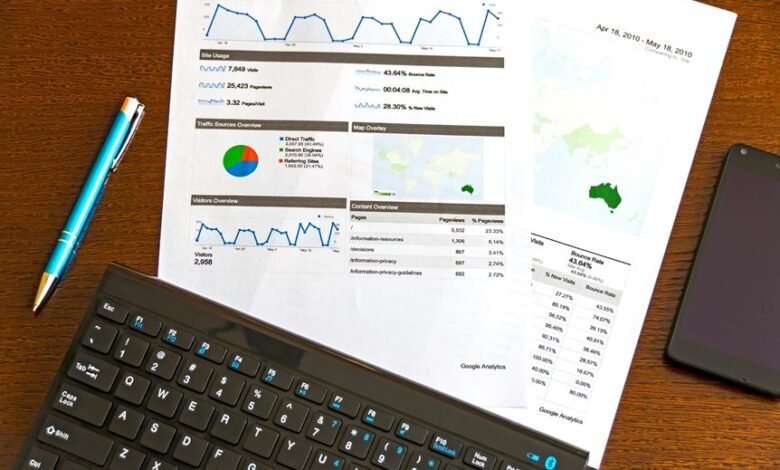
The corporate performance dashboard associated with identifiers 946079000, 6948807278, 662900730, 18888324540, 630303019, and 911177239 offers a structured approach to monitoring essential performance metrics. By evaluating revenue growth, customer satisfaction, and operational efficiency, organizations can achieve strategic alignment and enhanced accountability. This framework raises important questions about its implementation and the implications of real-time data analysis on decision-making processes. Understanding these elements is crucial for organizational advancement.
Understanding Corporate Performance Dashboards
Although corporate performance dashboards are often regarded as mere visual tools, they serve a critical role in synthesizing vast amounts of data into actionable insights.
Effective data visualization transforms complex data sets into clear performance indicators, enabling organizations to monitor trends and evaluate outcomes.
This clarity empowers decision-makers, fostering an environment where informed choices can lead to strategic freedom and enhanced operational efficacy.
Key Metrics Associated With Identifiers
Effective corporate performance dashboards rely on specific key metrics that are associated with identifiers, which serve to quantify organizational performance.
Key performance indicators, such as revenue growth, customer satisfaction, and operational efficiency, are essential for metric tracking.
Benefits of Real-Time Data Analysis
Harnessing real-time data analysis offers organizations a competitive edge by enabling swift, informed decision-making.
By providing real-time insights, companies can adapt to market changes rapidly, enhancing agility. This capability fosters a culture of data-driven decisions, allowing teams to leverage accurate information for strategic initiatives.
Ultimately, organizations that embrace real-time data analysis position themselves for sustainable growth and improved operational efficiency.
Implementing a Performance Dashboard Strategy
Implementing a performance dashboard strategy requires a systematic approach to align organizational objectives with key performance indicators (KPIs).
Effective dashboard design is essential, ensuring clarity in data presentation. Organizations must prioritize strategy alignment, fostering a cohesive environment where performance metrics drive decision-making.
This process not only enhances transparency but also empowers teams to take ownership of outcomes, ultimately leading to improved performance and growth.
Conclusion
In the realm of corporate performance, the dashboard serves as a compass guiding organizations through the fog of data. By harnessing the power of identifiers like 946079000 and 18888324540, decision-makers can chart a course towards success, steering clear of pitfalls while embracing opportunities for growth. As the lighthouse of real-time insights illuminates the path, teams become more accountable and transparent, ultimately navigating towards a horizon marked by sustainable performance and strategic alignment.